top of page

學士班課程

BFA Courses

197.jpeg

一年級
Freshman year

創作基礎 (一) (二)

Design Fundamental (I)(II)

創作基礎(一)&(二):本課程目標在於培養設計者立體、空間性的思考方式,讓初接觸設計的同學漸次熟悉設計表達的原理和方法。透過各項設計主題的手做實際演練,讓同學認識材料與掌握基 本製作模型的能力和技巧,熟悉設計的解決途徑 , 並藉著現象的多重觀察來發展設計創意。再以肢體 表現、綜合素材、創意表現等及美學、結構、細節、觀察力的訓練,來銜接物品經驗。在概念攝取、 手法操作與意象轉換等學習過程中,探討設計描述的過程、與繪畫表現之可能性。透過理論與實作的交叉激盪,使個人特質能轉化為獨立的創作思維,讓生活體驗能進一步與專業知識 相結合,為往後之設計創作奠定良好的基礎,並培養學生正確的學習態度。

This course aims to cultivate designers' three-dimensional and spatial thinking so that students who are new to design will gradually get familiar with the principles and methods of design expression. Practical exercises on various topics allow students to explore different materials, master basic model-making skills, and develop creativity through multiple observations of phenomena. Moreover, use relationships such as physical performance, comprehensive materials, creative performance, and training in aesthetics, structure, detail, and view to connect object experiences. In the study of concept ingestion, manipulation, and image conversion, we investigate the possibilities of design presentation. The turbulence between theory and practice turns students' traits into independent creative thinking, combines life experience with professional knowledge, lays a good foundation for future design creation, and cultivates students' correct learning attitude.

設計繪畫 (一)

Design Drawing (I)

本課程目標為練習與實驗以「繪畫」作為「想像」物質化的媒介。設計師需要透過各種媒介把腦中的抽象想像用物質化的形式呈現出來,而本課程希望學生透過想像把自身投射在另類的世界觀之中,透過繪畫的形式呈現身為人類的新姿態,進而創造新的行為與儀式,甚至是新的移動載體,帶領我們在想像建構的世界之中穿梭。

The goal of this course is to practice and experiment with "drawing" as a materialised medium of "imagination". Designers need to use various media to present abstract imaginations in their brains and translate them into materialised forms. This course hopes that students will project themselves into alternative worlds through imaginations and using drawing as a way to present them as new human and creating new behaviors and rituals. And even new transporting devices allow us to shuttle through the imagined worlds.

設計繪畫 (二)

Design Drawing (II)

這是一門使學生快速熟悉基礎繪畫的課程,內容包含了繪畫的技巧、媒材應用、表現方法等,結合大膽的創意教學而非一般的傳統繪畫形式。邀請專業的模特兒進行人體素描或簡單的筆法練習,或是學生間自畫像的超現實應用繪畫法。表現方式皆由學生自己決定,自由發揮。設計繪畫的本身並不是在強調描繪眼睛所看到的事物,而是藉由一種策略性的、有計畫性的、重新創作、組構所看到的。強調特定的主題或者藉由繪畫的形式來引述某種故事,這種故事可能來自於本身的情感、經歷、喜怒哀樂,最終目的不是在強調繪畫的技巧、而是在重新檢視自己、批判自己。

This course is designed to help students quickly become familiar with the basics of painting. It covers techniques, the use of different media, and methods of expression, combined with bold and creative teaching approaches rather than traditional painting forms. Professional models will be invited for figure drawing or simple sketching exercises, and students will also practice surreal self-portrait techniques.

Students have the freedom to choose their methods of expression, encouraging creativity and individuality. The focus of design painting is not on depicting what the eye sees but on strategically, deliberately, and creatively reinterpreting and reconstructing what is seen. The course emphasizes specific themes or uses painting as a means to tell a story, which may derive from personal emotions, experiences, and feelings. Ultimately, the goal is not to emphasize painting skills, but to encourage self-examination and self-critique.

模擬構成 (一) (二)

Simulating Construction (I)(II)

期使學生瞭解產品構思、材料的特性與製造程序,各種製程方法的原理和實際操作應用,藉由雕塑、銲接、車床、銑床與鉗工等操作練習與測量學的介紹,期使學生對產品之構思、精度、製造程序及產品組合等相關的內容有一完整的基本概念。

In view of the student's creative process - besides the theoretical and creative thinking courses – there is often a lack of practical skills. This course will teach students the required knowledge and skills they need for the creation process. Students obtain a skills similar to those of sculpturing.

設計概論 (一) (二)

Introduction to Design (I)(II)

本課程旨在以多元化的教學方式,啟發學生對設計概論學習的興趣,內容包括設計發展史、設計理論與設計實務等三大方向為主。

The course aim is to raise students’ awareness of design uitlzing diverse approaches. Subjects include design and development in three different directions: design history, design theory and design case studies.

設計製圖

Drafting

1.說明設計製圖之必要技巧及相關知識。 2.配合核心課程訂定作業進度以強化設計核心能力。

1. Introduction of basic drafting skill and related knowledge 2. Co-op with studio design program to reinforce core design capability

電腦輔助設計 (一)

Computer Aided Design (I)

本課程旨了解電腦服飾繪圖之基本技巧,認識並熟捻服飾織物設計的方法與實務。強調整合應用套裝軟體,著重於對操作環境與技巧之靈活運用,以及強化服飾e化設計技巧,整合實際成果以數位多媒體簡報及網頁方式展現。
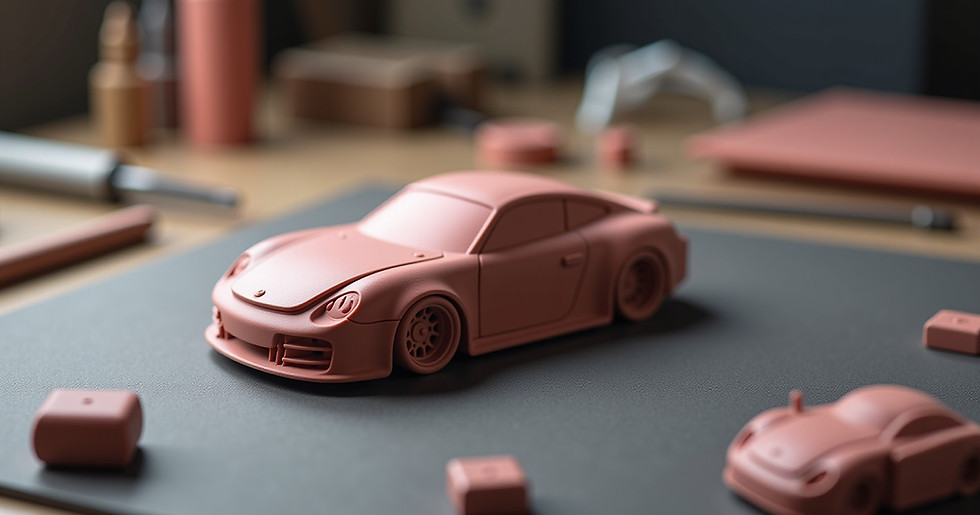
This course introduces the basic techniques of computer-aided fashion illustration and flat drawings as well as the methodology and appliance of fabric design. It gives emphasis to the coordination of application software and the utilization of its operation skills, and aims to enhance students’ capabilities in computer graphic creation, image manipulation and layout design, which will be presented in various forms such as digital multimedia presentations, prints and web pages.

About-About-3.jpg

二年級
Sophomore year

產品設計 (一) (二)

Product Design (1) (2)

產品設計 (1):本課程為產品設計之專業核心課程,以分組檢討及產品發表會方式進行,強調設計方法、傳達語言、創作品質之整體表現。使用手感與美型貫串主軸,讓學生拆解現有產品以加強學習與理解產品設計的分析、應用,並由表現圖及口語溝通、設計繪圖、實作與設計發表,提升專業執行與論述能力。概念設計、詮釋草圖、視覺(模型)細部表達、電腦模擬表現、模型製作及展示規劃也為此階段。

​產品設計 (2):延續產品設計(一)的脈絡,加入實際觀察訪問與專業知識於學習課程,擴大學生對於設計領域的深廣度。透過深入特定對象的工作環境進行資料搜集與分析,提出合宜的設計成果,從而培養以人為本的設計觀念。再從閱讀去剖析擷取知識並導入設計中,學習如何將書中的通曉運用到產品,為產品設計增添助力,以訓練將資訊轉化為設計的能力。

Product Design (1): This course is a professional core course in product design. It is conducted in group reviews and product presentations, emphasizing design methods, communication languages, and the overall expression of the quality of creative works. With the theme of ergonomics and aesthetics, this course is designed to enhance student's learning and understanding of the analysis and application of product design by disassembling existing products. We cultivate students' professional ability and interpretation skills through image presentation, oral communication, sketches, model-making, and design presentation. Concept design, design sketching, visual (model) details, computer simulation, model-making, and display planning are also included in this stage.

Product Design (2): Continuing the context of Product Design (1), this course includes fieldwork, interview, and professional knowledge to expand students' design scope. Through in-depth data collection and analysis of the working environment of specific audiences, students will be able to create appropriate design outcomes and develop human-centered design concepts. In addition, students will learn to capture the key insights from books and apply them to product design to acquire the ability to translate information into designs.

電腦輔助設計 (二)

Computer Aided Design (II)

本教學嘗試以學生文字創作為出發點所發展的教學,並探討以逐步導引方式研究電腦繪圖教學法的可能性。首先以文字創作開始,鼓勵其在圖像與肢體上的發展,第二步驟是flash的文字動畫,第三步驟是flash的圖像動畫,第四步驟是3D電腦繪圖對於文字創作的詮釋。

This class is based on starting point of students’ written words and try to guide then use tool to create animation and 3D model step by step. The first step starts with script, and transform into drawing and body performance. The second step is to make a flash text animation of their writing. The third step is to make a flash graphic animation of their drawing. And the final step is to build a 3d rendered scene to describe their script.

電腦輔助設計 (三)

Computer Aided Design (III)

1.參變數軟體之原理解析 2.拓普理論探究 3.參數軟體操作介面介紹 4.基礎參考特徵 5.參考平面與參考線之運用 6.實體特徵之功能運用 7.曲面特徵之功能運用 8.零件組立功能介紹 9.零件互為參考之功能運用 10.2D圖面輸出 11.3D共通檔案之轉換與運用

1. Analysis of parameter software. 2. Intorudction to topology theory. 3. Parameter software interface practice. 4. Basic reference feature. 5. implication of 2D reference. 6. Function of substance feature. 7. curve feature. 8. parts function. 9. implication of parts reference. 10. 2D output. 11. 3D output

色彩實驗與應用 (一) (二)

Color and Material Lab (I)(II)

本課程係由色彩材質詮釋的思考角度,來追溯與發掘設計創作中的色彩與材質語意變化。並透過介紹亞洲傳統文化色彩與世界流行預測色彩提案之展示,配合台灣文化色彩,運用生活色彩應用實例,以色彩開啟在日常生活中運用色彩,實踐生活美學的新思維。利用 2D/3D作品交錯之經驗轉換與對照,讓學生能藉由視覺表現與實驗創作的訓練,掌握造形與色彩語彙間之語言對應關係,並引導其應用於相關設計創作之上且推動色彩的認知與職能。

This class explores the design semantics from the perspective of color interpretation. The trainning on exchanging the design representation between 2D and 3D will lead the mapping between shape and color semanstics for design.

材料與製造程序

Materials and Fabrication

期使學生瞭解製造程序與材料的特性,各種加工方法的原理和應用,生產過程的規劃和管理,及未來發展的趨勢。目的在使學生對製造程序相關的內容有一完整的基本概念。

The learning goal of Materials and Fabrications is for student ot familiar with the manufacture procedure and material characterics.

人文思潮 (一)

Humanistic and Cultural Trends(I)

設計的發展除了滿足商業的需求之外,也同時乘載了創造者所處的時代。而我們能不能從創作之中,看到背後的創作者,再從中理解創作者浸泡在怎樣的環境當中,關心什麼樣的議題,當時後所發生的事件、現象,成為一個具象而立體的觀點。 人文思潮一門課將帶領同學們從現在慢慢往過去回顧台灣的設計與泛設計領域中的人、物和事件,他們為何而做,進而省思自身處在什麼樣的時代,未來又要做什麼樣的設計。

The development of design not only meets commercial demands but also reflects the era of the creator. Can we see the creators behind the works and understand the environment they are immersed in, the issues they care about, and the events and phenomena occurring at that time? This approach provides a concrete and multidimensional perspective.
The course on Humanities Thought will guide students in retrospectively exploring the people, objects, and events in Taiwan's design and related fields, from the present back to the past. By understanding the motivations behind their creations, students will reflect on the era they are living in and consider the kind of design they want to pursue in the future.
 

Projects-My Portfolio-1.jpg

三年級
Junior Year

產品設計 (三) (四)

Product Design (3) (4)

產品設計 (3):根據學生設計專業發展,透過理解使用者面貌及切實完成設計研究,學習發展結合 人性及社會價值的設計解決方案,以深化自我美學主張,並能作客觀反省檢討。因此以「職人 - 執人」、 「循環設計」作為課題,從深入瞭解設計的對象和物件開始,再根據設計師的觀點進行整合,在不斷來 回推導的過程裡找出關鍵的癥結點,最後透過設計來發現並探討那些潛藏在生活中微小卻影響著人們 的問題,為人類的日常帶來正向的改變。

產品設計 (4):課程宗旨在讓同學的學習逐漸從單點的練習,進階至全面且具前瞻性的思考。從「設計未來」、「概念設計」兩大主題發展,將觀點從時間線開始放大,學習用宏觀的角度配合設計來解決 問題,最後開始找尋有興趣及關注的方向與議題,作為延展成畢業製作重要的發展基礎。

Product Design (3): Students will learn to develop design solutions that integrate human and social values, deepen their aesthetic proposition, and conduct an objective reflective review by understanding the user profile and completing design research. Therefore, we take "professionalism" and "Circular Design" as the subjects, starting with a deeper understanding of the design targets and objects, trying to find out the key crux in the process of continuous verification. We discover and explore those minor problems that bother people and make positive changes to our daily lives.

Product Design (4): The course study aims to gradually advance students' learning horizons from a single point to comprehensive and forward-looking thinking. The perspective from the timeline starts with two major themes: "Future Design" and "Concept Design." Trying to solve problems with design from a precise aspect. Finally, students will begin to identify their interests and concerns, which will serve as an essential basis for developing their graduation work.

人文思潮 (二)

Humanistic and Cultural Trends(II)

設計的行為無法獨自存在,而是作為一種思考方式、做事方式依附在特定的領域當中,本課程將這些領域分為「在地」、「商業」、「藝術」、「環境」,並透過講述、專家分享和討論引導學生發現並進一步了解自身未來可能有興趣的領域或產業,並在期末作業以10-15分鐘的報告做完整的介紹。

Design cannot exist in isolation; it functions as a way of thinking and doing, embedded within specific domains. This course categorizes these domains into "Local," "Commercial," "Artistic," and "Environmental." Through lectures, expert sharing, and discussions, the course guides students to discover and gain a deeper understanding of the fields or industries they may be interested in pursuing in the future. For the final project, students will present a comprehensive introduction in a 10-15 minute report.

產品設計史 (一)

History of Industrial Design (I)

本課程主旨為引導學生參與分析與思考從古至今關於工業與產品設計的流變,透過介紹不同時代設計的重要事件、運動、設計師作為學生了解過去的知識涵養,提升學生對優秀設計的鑑賞與評價能力,引領學生對設計領域有進一步的認識,建構學生對於過去的設計史觀,以及培養對於如何把過去的經典,作為未來設計時根基的能力。

The main purpose of this course is to guide students to participate in the analysis and thinking about the evolution of industrial and product design from the past to the present. By introducing important events, movements, and designers in different eras as students understand the knowledge of the past and that will enhance students’ appreciation and evaluation of the ability to design. Also, leading students to have a further understanding of the field of design and constructing students' views on the history of design in the past. Cultivating the ability of how to use the classics in the past as the foundation of design in the future.

產品設計史 (二)

History of Industrial Design (II)

本課程主旨為引導學生參與分析與思考西元2000年後的當代設計思潮流變,透過介紹不同國家設計的重要事件、學校、運動、設計師,作為學生了解各類型設計的知識涵養,提升學生對優秀設計的鑑賞與評價能力,引領學生對設計領域有進一步的認識,建構學生對於的設計領域的多元性,作為未來設計時根基的能力。

The main purpose of this course is to guide students to participate in the analysis and to think about contemporary design after the 2000s. Introducing essential design events, schools, movements, and designers from different countries as students understand the knowledge of different kinds of design will enhance students’ appreciation and evaluation of the ability to design. It also leads students to have a further understanding of the field of design and constructing students' views on the diversity of design. As the foundation of design in the future.

結構與機構設計

Mechanism Design

期使學生瞭解產品機構、材料的特性與製造程序,各種機構的原理和實際設計。因產品的生命週期愈來愈短,功能更多樣化,傳統設計方式已漸無法因應多變的潮流,所以利用電腦輔助設計產品,是近年產學業界的基本共識。啟發學生如何做生產前的結構與機構模擬分析,以確保量產的可靠度,進而縮短產品到市場的時程。

Allowing students to understand the characteristics of mechanical products, materials and manufacturing processes, principles and practical design of the various institutions. Due to increasingly shorter product life cycles, more diversified, traditional designs have failed to respond to the changing trends, using computer-aided design products, is to learn the basic consensus of the industry in recent years. Inspire students to do production structures and institutions before simulation analysis to ensure production reliability and shorten product time to market.

人因設計(一) (二)

Human Factors Design(I)(II)

1. 針對設計學系學生背景與學習興趣,讓學生學習以心理學角度,認識人因工程心理學。培養尊重人性價值的設計觀念,發展以人為本的設計原則。 2. 結合理論教學與作業練習,演練人因心理學的知識與研究方法於實際設計的應用中。 3. 探討人、環境與物之間的關係,有效降低人類作業表現的錯誤率,提升生產力與安全性,並進ㄧ步創造生活的舒適感,提昇人的生活品質。 4. 學習撰寫人因工程心理學研究報告。 5. 培養專業知識的表達及答辯,練習對同業的表現提問與評論。
Human Factors Design aims on providing the new perspective of human-centered design for students. Theories of human factors and engineering psychology and the application will be covered in the class. The relation between users, product, and environment will be exploring to enhance the satisfaction and efficiency for the use of product. The optimal goal is to enrich the product experiences and life qualify as well.

About-Quote-2.jpg

四年級
Senior Year

產品整合設計 (一) (二)

Integrated Product Design(I)(II)

產品整合設計為了在校期間所學的總和與驗收,目的在於培養學生們成為獨當一面的設計師,擁有敏 銳的觀察力、獨特的設計切入點及清晰的邏輯脈絡。在課程中,學生與指導老師相互討論著所提出的 設計議題,從初期的概念發想至最終的模型製成應用過去所學來一步步完善作品,藉由一整年的設計 激盪來開發更深層且具多面向價值意義的設計觀點。 在為期一年的過程中 , 每位同學必須綜合以往學習到的各面向技能於有限的時間內就個人創作方向完 成作品,藉由不斷嘗試、實驗與溝通來掌握產品語彙、材質細節以及色彩計畫,以確保作品呈現高品 質完成度 , 並在發展中逐漸與產業思維交互收斂,從中了解產品與商業化過程中所衍生的執行困難點, 並找出自我風格與市場定位的平衡點。總體而言,此課程除提升學生設計整合能力外,更訓練決策能 力、應變能力以及恆常毅力,進而為未來做準備。

Integrated Product Design is all about combining and expressing everything learned at school. The purpose is to train each student to become an individual designer with sharp observations, unique designing topics, and a bright, logical context. In class, students and instructors discuss design topics together, from concepts to final models. After a whole year of brainstorming to develop design concepts with deeper and more dimensional value. Within the one-year process, every student should synthesize every skill they've learned and develop their projects individually by continuously attempting, experimenting, and communicating to grasp design languages, textures, and color schemes to ensure project quality and make fusions between the industries. Overall, this course evolves not just students' integrated skills for designing but also to gain their abilities in decision-making, adaptability, and resilience to prepare for the future.

作品集設計

Portfolio

該課程安排以幫助學生定義自身視覺視別系統與以品牌的概念去執行作品集的規劃與設計。同時,讓學生了解作品集與設計師的關係和如何發表自我的作品集與面試的技巧,以增加學生的自信。

The purpose of this course is to help student define their own identity or "brand", base on professional attitude and make student good understanding in what portfolio is, how it is so important for a designer and how to package themselves for interview or presentation. Also, make the student have more confidence in the future. Also, design is not just makes something beautiful or make something different. The most important thing is to help our client to make profit. Designer’s job is to understand what kind of message you are going to deliver and the project purpose, then, go for it.

bottom of page